Impact of Social Media on Sports Journalism: 2026 Guide
June 24, 2026 · 13 min read

The impact of social media on sports journalism is no longer a trend to debate — it's the operating system of modern sports media. From breaking trades on X at 2 a.m. to TikTok highlights racking up millions of views before SportsCenter airs, platforms have rewired who reports, who reacts, and who decides what matters. For busy fans who just want signal — not noise — understanding this shift is the difference between staying ahead and drowning in takes.
TL;DR — The Bottom Line
The impact of social media on sports journalism has accelerated the news cycle to real time, turned athletes and teams into their own media outlets, and made platforms like X, Instagram, and TikTok the primary distribution points for sports news. The result: faster, more personalized coverage — but also more misinformation, fragmentation, and a higher premium on trusted, curated sources like Press Sports.
1. How the Impact of Social Media on Sports Journalism Reshaped the News Cycle
For most of the 20th century, sports journalism ran on a predictable rhythm: game ends, reporter files, newspaper prints, fans read the next morning. The impact of social media on sports journalism has obliterated that cadence. Researchers now describe modern coverage as ambient journalism — news that is "always happening, always being updated, and always a part of the online environment."
Today, a trade rumor surfaces on X, gets confirmed by an insider with 4 million followers, is GIF-ified on Instagram, parodied on TikTok, and analyzed on a podcast — all before a traditional outlet publishes a 600-word article. Team accounts post real-time game updates with hashtags and short clips. Major outlets like ESPN, Bleacher Report, and Barstool Sports push content constantly throughout the day.
For fans, this means you no longer wait for the nightly highlight show. The game, the reactions, and the analysis unfold in your feed simultaneously. For journalists, it means the deadline is always "now."
Both. The impact of social media on sports journalism is undeniably speed — breaking news now travels in seconds — but the volume of unverified takes, hot takes, and AI-generated noise has also exploded, making curation more valuable than raw access.
2. Athletes and Teams Are Now Media Companies
Perhaps the most profound part of the impact of social media on sports journalism is the power shift away from traditional gatekeepers. LeBron James, Cristiano Ronaldo, and Patrick Mahomes each command audiences larger than most national newspapers. When an athlete wants to announce a trade, a retirement, or a brand deal, they post it themselves — often through a personal app, a Players' Tribune-style essay, or a simple Instagram Story.
Leagues and teams have followed suit. The NBA, NFL, and Premier League all operate sophisticated in-house content studios that function like newsrooms. They break their own news, control their own narratives, and monetize their own highlights. As one industry analysis put it, this creates "a unique dilemma" for communications professionals: more voices, less centralized control, and a higher risk of fragmented messaging.
For aspiring athletes — the next generation watching all of this — the lesson is clear: your personal brand is your platform. That's why purpose-built networks like Press Sports for athletes matter; they give youth and amateur players the same tools the pros use to build a verified, sports-only presence.
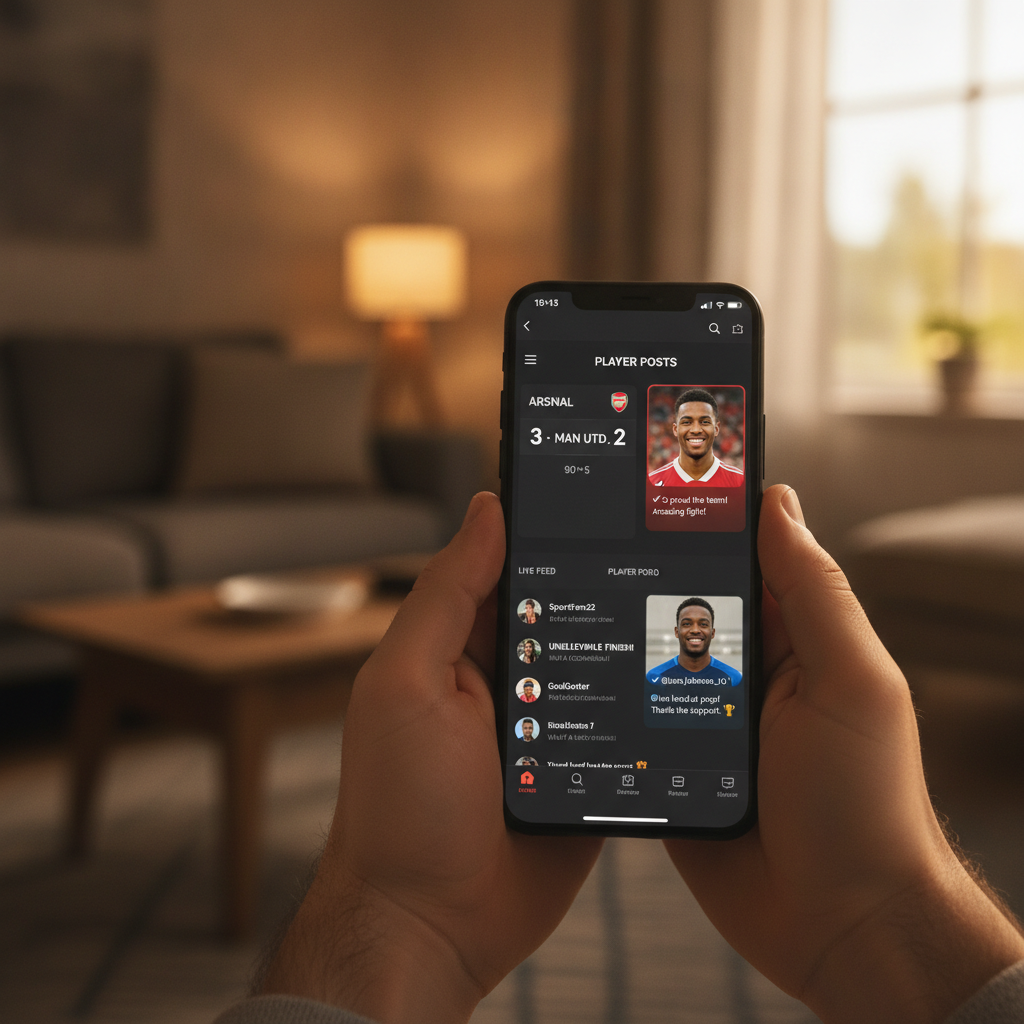
3. Quick Facts: The Numbers Behind the Shift
Quick Facts
- Second-screen usage: 80% of sports fans use a second screen while watching a broadcast
- Gen Z multi-screening: 83% of Gen Z fans use multiple screens during live sports events
- Sports app adoption: 87% of fans aged 18–29 use dedicated sports apps
- Primary news source: Social platforms are now the #1 way fans follow breaking sports news
- Athlete reach: Top athletes routinely have larger followings than the outlets that cover them
- Newsroom shift: Sports journalists report being "always on the clock, always glued to technology"
4. The New Skill Set: What Modern Sports Journalists Actually Do
The impact of social media on sports journalism has rewritten the job description. A reporter in 2026 is part investigator, part real-time social producer, part personal brand manager. Interviews with working sports journalists reveal a workflow defined by constant decisions: What do I publish? When? On which platform? In what format?
The modern sports journalist's daily stack
- Monitor — Tweetdeck, push alerts, Discord servers, athlete accounts, locker-room sources.
- Verify — Cross-reference rumors with at least two independent sources before posting.
- Publish first to social — A short X post or Instagram Story typically beats the article.
- Contextualize — Follow up with analysis, data, and quotes in long-form.
- Engage — Reply to fans, defend reporting, and build a personal brand that draws future scoops.
Twitter/X in particular has become the dominant arena for journalist brand-building. Reporters who post early, post often, and engage directly with readers establish themselves as the go-to source — and that personal authority, not their employer's logo, is what now drives audience loyalty.
Yes — but their role has changed. The impact of social media on sports journalism means outlets like ESPN and The Athletic now compete less on speed and more on depth, investigative reporting, and trusted curation. Speed is table stakes; credibility is the moat.
5. The Dark Side: Misinformation, Burnout, and Fragmentation
The impact of social media on sports journalism isn't all upside. Three structural problems have emerged:
Misinformation travels faster than corrections
A fake trade rumor can reach millions before a verified reporter even sees it. Parody accounts impersonate insiders. AI-generated "news" sites scrape and rewrite real reporting with errors baked in. For fans, the result is a constant filtering tax — how much of what you just read is actually true?
Journalist burnout is at record levels
The "always on" expectation has consequences. Many sports reporters describe an inability to disconnect, a fear of missing a scoop, and pressure to perform on multiple platforms simultaneously. Quality suffers when every story has to be a hot take.
Audience fragmentation
Fans no longer gather around a single broadcaster or newspaper. They piece together a "personal sports channel" from creators, athletes, podcasts, Substacks, and apps. That's empowering — but it also means shared narratives are harder to build, and tribal echo chambers are easier to fall into.
6. What This Means for Fans (And How to Cut Through the Noise)
If you're a busy fan, the impact of social media on sports journalism gives you more power than ever — but also more responsibility. Here's how to build a smarter sports diet:
- Curate your feed deliberately. Follow 5–10 verified reporters per sport, not 50. Quality beats quantity.
- Use sports-only platforms for sports-only content. General platforms are noisy by design. Apps like Press Sports filter out everything except what matters to athletes, coaches, and fans.
- Trust the verifiers. When breaking news drops, wait 10 minutes for established reporters to confirm before sharing.
- Diversify formats. Mix short-form (X, TikTok) with long-form (podcasts, The Athletic) so you get both speed and depth.
- Mute aggressively. Algorithms reward outrage. Muting bad-faith accounts is the single best upgrade to your sports experience.
7. What This Means for Aspiring Athletes and Coaches
The impact of social media on sports journalism cuts both ways: if athletes are now media companies, then every aspiring player — from middle-school standouts to college recruits — needs to think like one. College recruiters scout highlight reels on social platforms. Brands sign NIL deals based on follower counts. Coaches share game film publicly to attract talent.
That's exactly the gap purpose-built platforms address. Rather than competing for attention on TikTok against dance trends, athletes can build verified profiles, share game highlights, and connect with coaches and scouts on networks designed specifically for sports. Coaches on Press Sports, for example, can discover talent, share training content, and build communities without the noise of general social media.
Quick playbook for athletes building a social presence
- Post highlights consistently — one to two clips per week beats sporadic dumps.
- Tag context — opponent, score, position, year. Recruiters need data, not just dunks.
- Engage with your sport community — comment, support teammates, follow coaches.
- Cross-post strategically — sports-specific platforms for recruiting, mainstream for reach.
- Protect your brand — assume every coach, recruiter, and future employer sees everything.
"In modern sports, the athlete is the media, the team is the publisher, and the fan is the editor. The impact of social media on sports journalism didn't just change the industry — it democratized it."
8. The Future: AI, Vertical Video, and Trusted Curation
Looking ahead, three forces will continue to shape the impact of social media on sports journalism:
AI-generated content and the verification arms race
AI can already summarize games, generate highlight reels, and write recaps. By 2027, expect AI-generated sports "reporting" to be ubiquitous — which will make human-verified, source-driven journalism more valuable, not less.
Vertical video as the dominant format
TikTok and Instagram Reels have trained fans to expect 15–60 second highlight clips. Long-form will still exist, but the entry point to every story will be a vertical video.
Sports-only social networks
As fans tire of general-platform noise, purpose-built sports networks will grow. Platforms that combine social mechanics with sports-specific tools — highlight hosting, recruiting features, coach-athlete messaging — will become indispensable for the next generation of athletes and fans.
9. Frequently Asked Questions
What is the biggest impact of social media on sports journalism?
The biggest impact is the collapse of the news cycle into real time. Breaking news now originates on social platforms — often directly from athletes or teams — before traditional outlets can publish, fundamentally reshaping who controls sports narratives.
Has social media made sports reporting more or less accurate?
Both. Verified reporters with strong sourcing are more accessible than ever, but misinformation, parody accounts, and AI-generated content have also exploded. Accuracy now depends on which accounts you choose to trust.
Why are athletes posting their own news instead of giving interviews?
Athletes now have direct lines to fans through social media, often with larger audiences than the outlets that cover them. Posting directly gives them narrative control, faster reach, and monetization opportunities they don't get through traditional interviews.
What is the best way for fans to follow sports without getting overwhelmed?
Curate aggressively. Follow a small list of verified reporters, use a sports-only platform like Press Sports for filtered content, mix short-form social with long-form analysis, and mute outrage-driven accounts. Quality of feed beats quantity every time.
How can young athletes use social media to get recruited?
Post consistent, well-tagged highlight clips with context (opponent, position, year). Engage with your sport's community, follow target programs, and use sports-specific platforms designed for recruiting rather than competing for attention on general social media.
10. Conclusion: The Game Has Changed — Play It Smarter
The impact of social media on sports journalism is the defining media story of the last decade. It made coverage faster, more personal, and more democratic — while also making it noisier, more fragmented, and more vulnerable to misinformation. For fans, the opportunity is clear: build a smarter sports diet by curating who you trust. For athletes and coaches, the opportunity is even bigger: use the same tools the pros use to build your brand, your network, and your career.
That's exactly why Press Sports exists — a sports-only social hub built for athletes, coaches, and fans who want signal, not noise. Whether you're a busy fan looking for quick insight, an aspiring athlete building a recruiting profile, or a coach growing your program, the next chapter of sports media belongs to those who choose their platforms wisely.
Ready to join a smarter sports community? Sign up for Press Sports today and start following the athletes, coaches, and stories that actually matter — without the fluff.